November 28, 2025 · 6 min read
Flat Roof vs Pitched Roof: What To Know
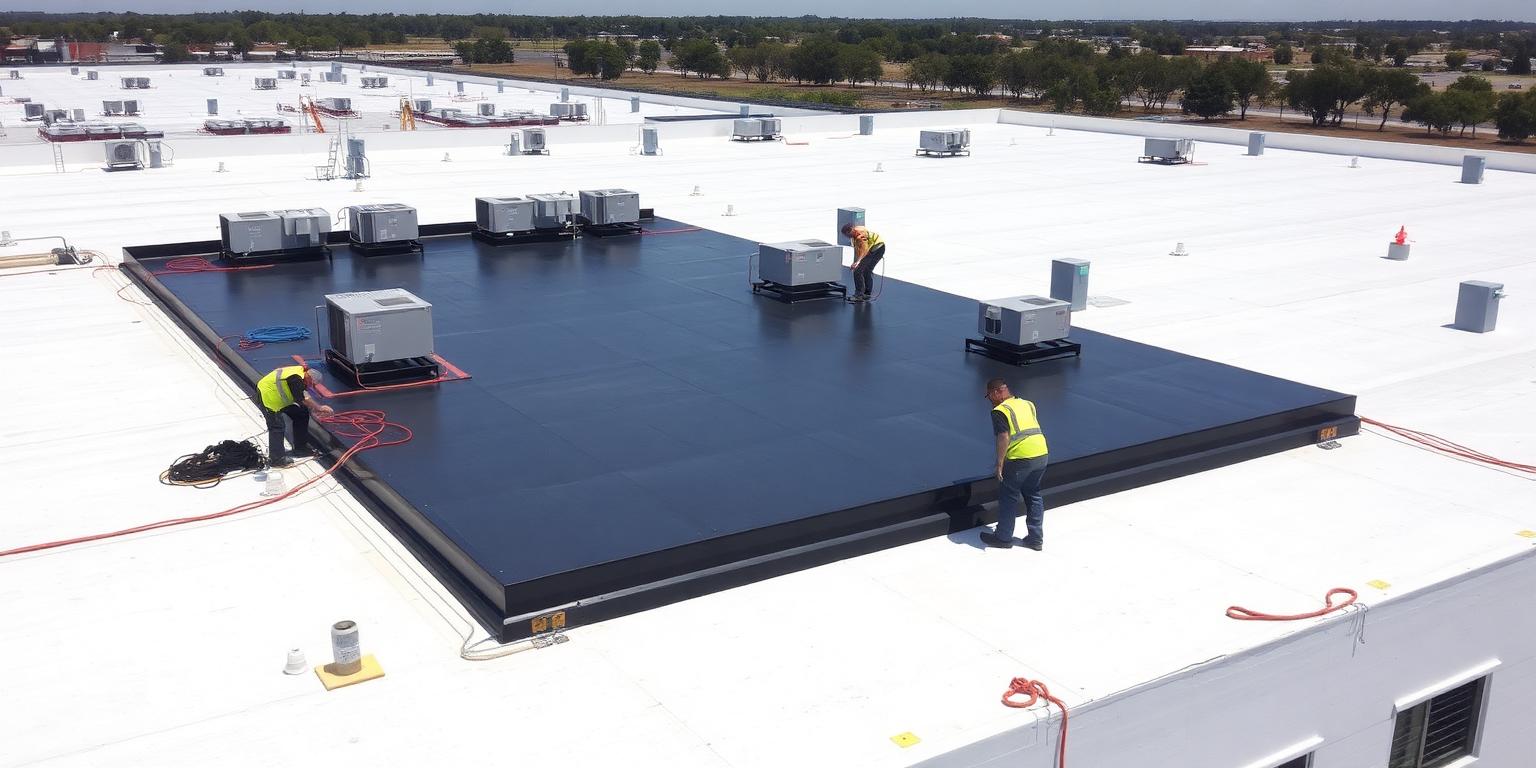
Most residential homes in Hinsdale have pitched roofs, but flat (or low-slope) roofing is common on commercial buildings, contemporary-style residences, garages, additions, and covered porches throughout DuPage County. Each system has distinct strengths and weaknesses in the Illinois climate, and the right choice depends heavily on your specific application.
How Pitched Roofs Work in Illinois
A pitched roof sheds water and snow through gravity, which is the single most effective drainage mechanism available. The steeper the pitch, the faster water moves off the surface and the less opportunity it has to penetrate under the shingles. Pitched roofs in Illinois tend to perform well because their inherent drainage properties are well-matched to the state's precipitation patterns — including the wet snow events that are common from November through March.
The primary vulnerabilities of pitched roofs in this climate are ice dams (at low-slope eave sections), wind-driven rain events, and hail impact. These are manageable with the right materials and proper installation.
How Flat Roofs Work in Illinois
Flat roofs aren't truly flat — they're designed with a minimal slope (typically 1/4 inch per foot) toward internal drains or scuppers. Modern flat roofing membranes — TPO, EPDM, and modified bitumen — are highly effective waterproofing systems when properly installed. The challenge in Illinois is managing the additional thermal stress that flat roof membranes experience through the large temperature swings between summer and winter.
Snow accumulation is also a greater concern on flat roofs. Ponding water or heavy snow loads on a flat roof can exceed design loads if drainage is inadequate or blocked. Regular maintenance — clearing drains and scuppers, checking for membrane punctures or separation at seams — is essential.
Lifespan and Cost Comparison
A properly installed TPO or EPDM flat roof in Illinois typically lasts 15–25 years. Modified bitumen systems (often used on lower-end commercial buildings) run 10–20 years. These are shorter lifespans than a quality pitched asphalt roof (22–27 years) or metal roof (40+ years), and flat roofs typically require more frequent inspection and maintenance to reach their rated life.
Cost per square foot for flat roofing is often lower than pitched systems because there's no complex shingle installation, but the total cost of ownership over 40 years — accounting for one or two re-roofing cycles — is comparable or higher than a pitched system.
- TPO (thermoplastic polyolefin): 15–25 year lifespan, energy-efficient, heat-welded seams
- EPDM (rubber): 15–25 years, easy to repair, cost-effective
- Modified bitumen: 10–20 years, asphalt-based, lower upfront cost
- Standing seam metal: 40+ years, works on very low slopes (2/12+), premium cost
- Green roofs (planted): 40–50 year membrane life, requires structural reinforcement
Which Is Right for Your Project?
For a traditional residential home in Hinsdale, a pitched roof is almost always the better long-term choice — it sheds water and snow naturally, offers the widest range of material options, and requires less maintenance. For a commercial building, a garage roof, or a contemporary architectural design where pitch isn't feasible, a high-quality membrane flat roof is the practical solution.
Whether you're dealing with a flat commercial roof or a traditional residential pitched roof in DuPage County, Hinsdale Roofing Pros connects you with the right contractor for the job. Get a estimate today and work with a local professional who knows Illinois conditions.
Get Local Roofing Help
Get matched with trusted local roofing professionals in Hinsdale and DuPage County.