November 17, 2025 · 6 min read
How Freeze-Thaw Cycles Damage Illinois Roofs
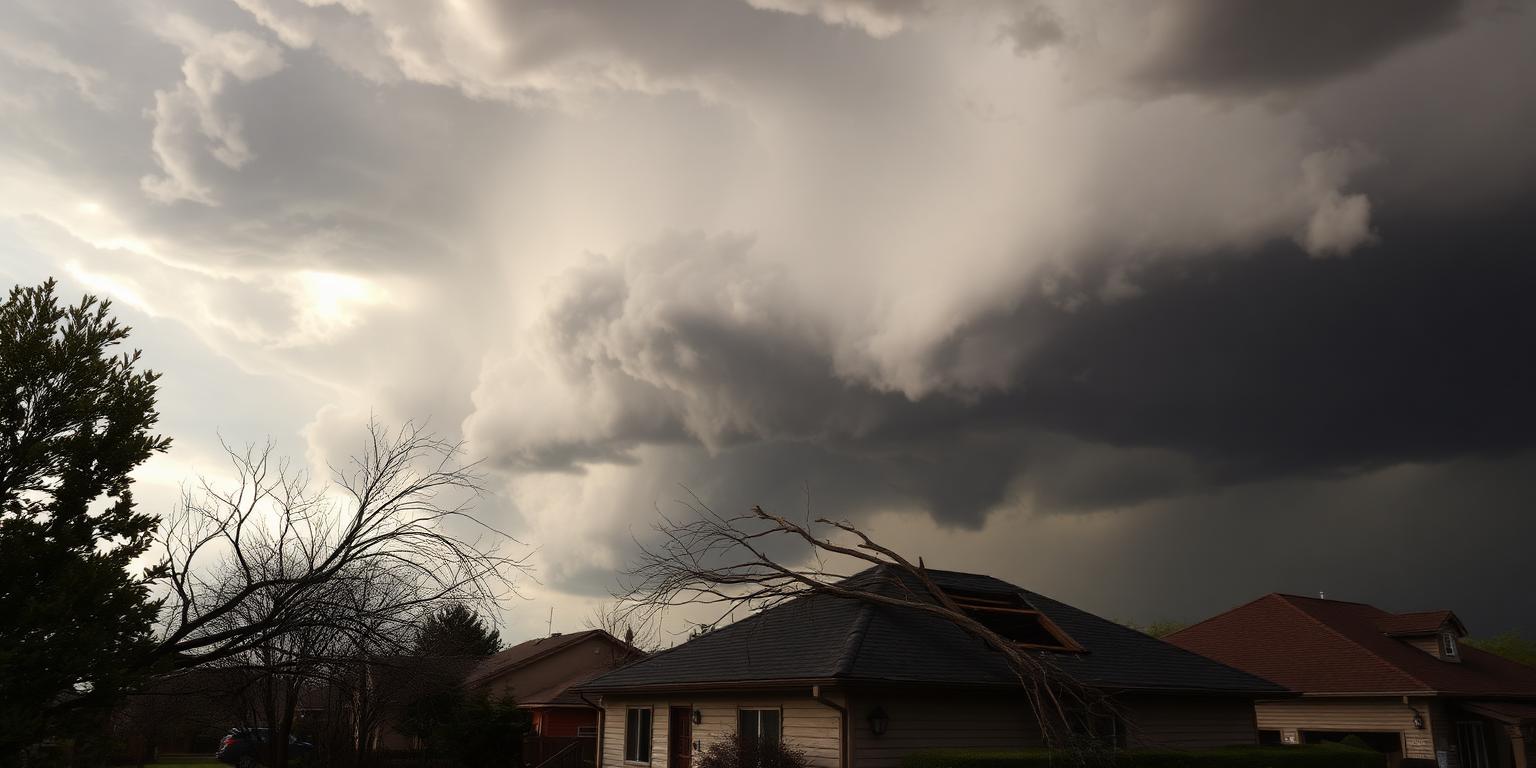
Hinsdale and DuPage County experience, on average, 30–40 freeze-thaw cycles per winter — days when the temperature dips below 32°F overnight and climbs above it during the day. For most people this is just an inconvenience. For your roof, it's a sustained mechanical stress test that compounds year after year until something gives way.
The Physics of Freeze-Thaw Damage
Water expands approximately 9% when it freezes. Any water that has found its way under a shingle, into a hairline crack in flashing, or into a partially open seam will expand as ice, physically widening that gap. When temperatures rise and the ice melts, the gap doesn't fully close — it's been stretched. Water then penetrates slightly deeper, and the next freeze cycle enlarges it further.
Over the course of a single winter, a small gap in chimney flashing can grow from a minor weep to a significant opening. A slightly curled shingle edge can become fully lifted. A crack in a pipe boot can develop into a split. The cumulative effect of 30–40 cycles is substantial damage that wasn't visible at the start of the season.
How Ice Dams Form and Why They Matter
Ice dams are one of the most destructive consequences of freeze-thaw cycling on Illinois roofs. They form when heat escaping from a poorly insulated or ventilated attic warms the upper portion of the roof, melting snow. The meltwater runs down to the cold eave overhang, where it refreezes and builds up a dam of ice.
As the dam grows, pooled water backs up behind it — sitting against and under the shingles in a continuous pool. This is water with nowhere to go except into the sheathing, soffit, and wall cavity. Left untreated, a single ice dam season can cause thousands of dollars of interior damage.
Protecting Your Roof From Freeze-Thaw Damage
The most effective protection starts in the attic. Ensure your attic insulation meets current energy code minimums for Illinois (R-49 to R-60 for most attic floors). More insulation means less heat escaping through the roof surface, which is the root cause of ice dam formation.
Adequate ventilation — a minimum of 1 sq ft of net free ventilation area per 150 sq ft of attic floor — is equally critical. Properly ventilated attics stay closer to outdoor temperatures, preventing the differential that creates ice dams. Ice and water shield underlayment installed along the first 3–6 feet of the eave provides a secondary waterproof layer even if an ice dam forms.
- Upgrade attic insulation to R-49 minimum for Illinois climate zones
- Install balanced ventilation: equal soffit and ridge vent area
- Apply ice and water shield underlayment along all eaves and valleys
- Keep gutters clean to minimize ice backup
- Use a roof rake to remove excess snow after major snowfall
- Inspect flashing annually for gaps opened by prior freeze-thaw cycles
When to Call a Professional
If you're seeing interior water staining along exterior walls during or after a cold snap, or if icicles forming at your eaves are unusually large or persistent, those are signs of active ice dam problems. A professional can assess the roof, identify the underlying insulation and ventilation deficiencies, and recommend targeted repairs before next winter arrives.
Hinsdale Roofing Pros connects you with local contractors who understand DuPage County winters inside and out. Get a roof inspection today and make a plan before the next freeze-thaw season begins.
Get Local Roofing Help
Get matched with trusted local roofing professionals in Hinsdale and DuPage County.