February 18, 2026 · 7 min read
Roof Repair vs Roof Replacement: Which Do You Need?
One of the most common questions homeowners ask after discovering a problem with their roof is whether it can be patched or whether the whole thing needs to come off. The answer isn't always obvious, and getting it wrong either way costs money — either you spend on a patchwork repair that delays the inevitable, or you replace a roof that had years of life left.
Here's the framework professionals use to make that call.
When Repair Makes Sense
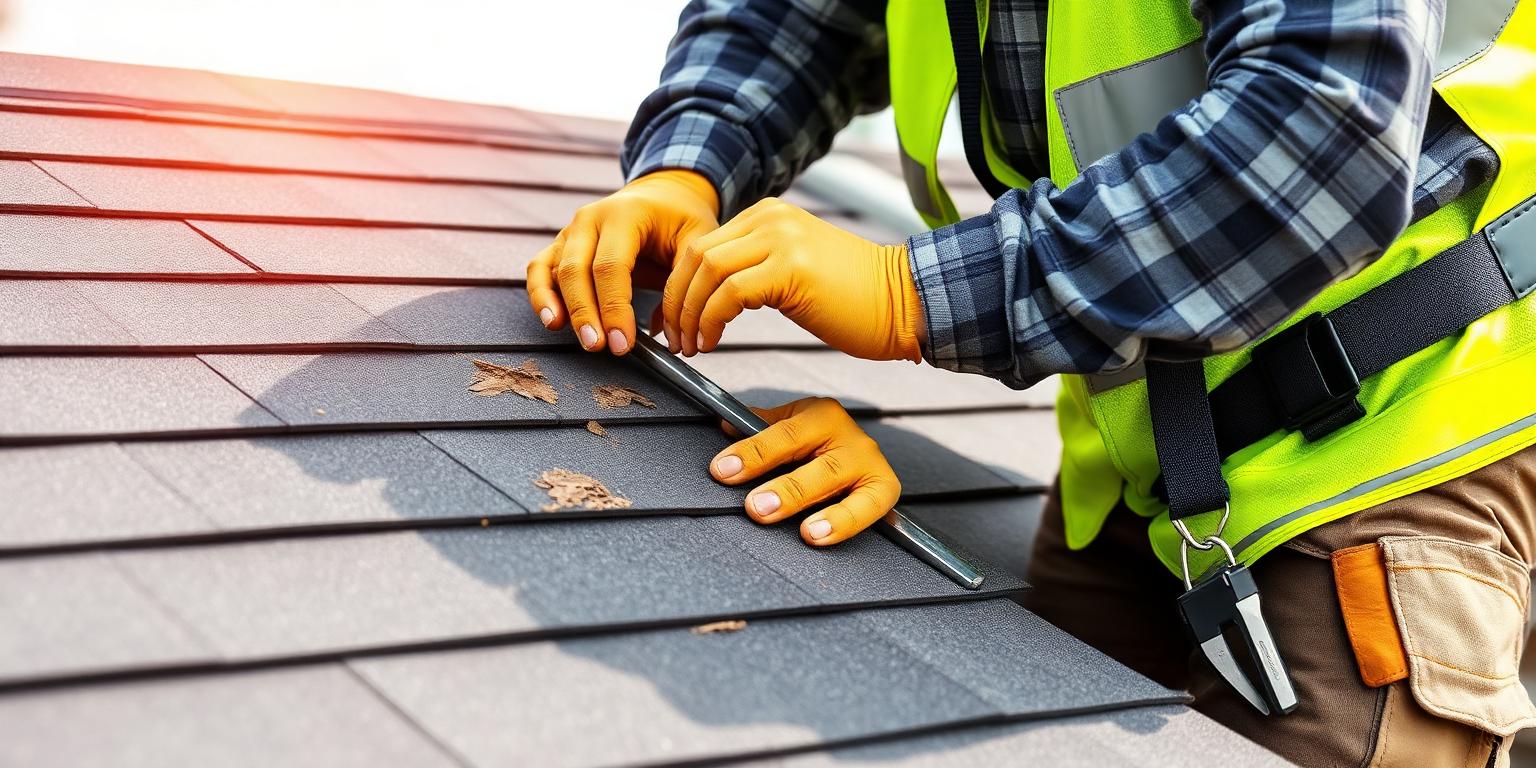
Repair is typically the right call when damage is limited to a small, well-defined area — say, a few shingles blown off in a windstorm, a flashing failure around a chimney, or a single valley that needs to be re-sealed. If your roof is under 15 years old, in otherwise good condition, and the damage is clearly localized, a repair can extend the roof's life by several more years at a fraction of replacement cost.
Repairs also make sense as a bridge strategy — if you're planning to sell your home in the next two to three years and the roof isn't yet at full end of life, a professional repair can satisfy buyers' inspectors without the cost of full replacement.
- Damage affects less than 25–30% of the total roof surface
- Roof is under 15 years old with no widespread granule loss
- Decking (sheathing) is sound — no rot or soft spots
- Shingles in undamaged areas are still flexible, not brittle
- Repair cost is less than 30% of replacement cost
When Replacement Is the Better Investment
If your roof is over 20 years old and a contractor is telling you to patch it, get a second opinion. At that age, the shingles throughout are likely at a similar stage of degradation, meaning today's repair area is just the first of many to fail. You'll be spending repair money every one to two years on a roof that is fundamentally worn out.
Widespread granule loss, multiple layers of shingles already present, sagging decking, or visible daylight in the attic — any one of these is a strong argument for replacement over repair. Multiple-layer roofs also lose the right to a new overlay in Illinois, so a full tear-off becomes mandatory anyway.
The 50% Rule of Thumb
Many roofing professionals apply a simple heuristic: if the cost of repair exceeds 50% of the cost of full replacement, replace. It accounts for the fact that a repair on an aging roof doesn't reset the clock — the remainder of the roof continues aging and will need attention soon.
Factor in the age-related depreciation of your current roof as well. A 20-year-old roof has limited remaining value. Replacement gives you a new warranty, improved energy performance (modern shingles have better reflectivity), and peace of mind for the next 20–30 years.
Questions to Ask Your Contractor
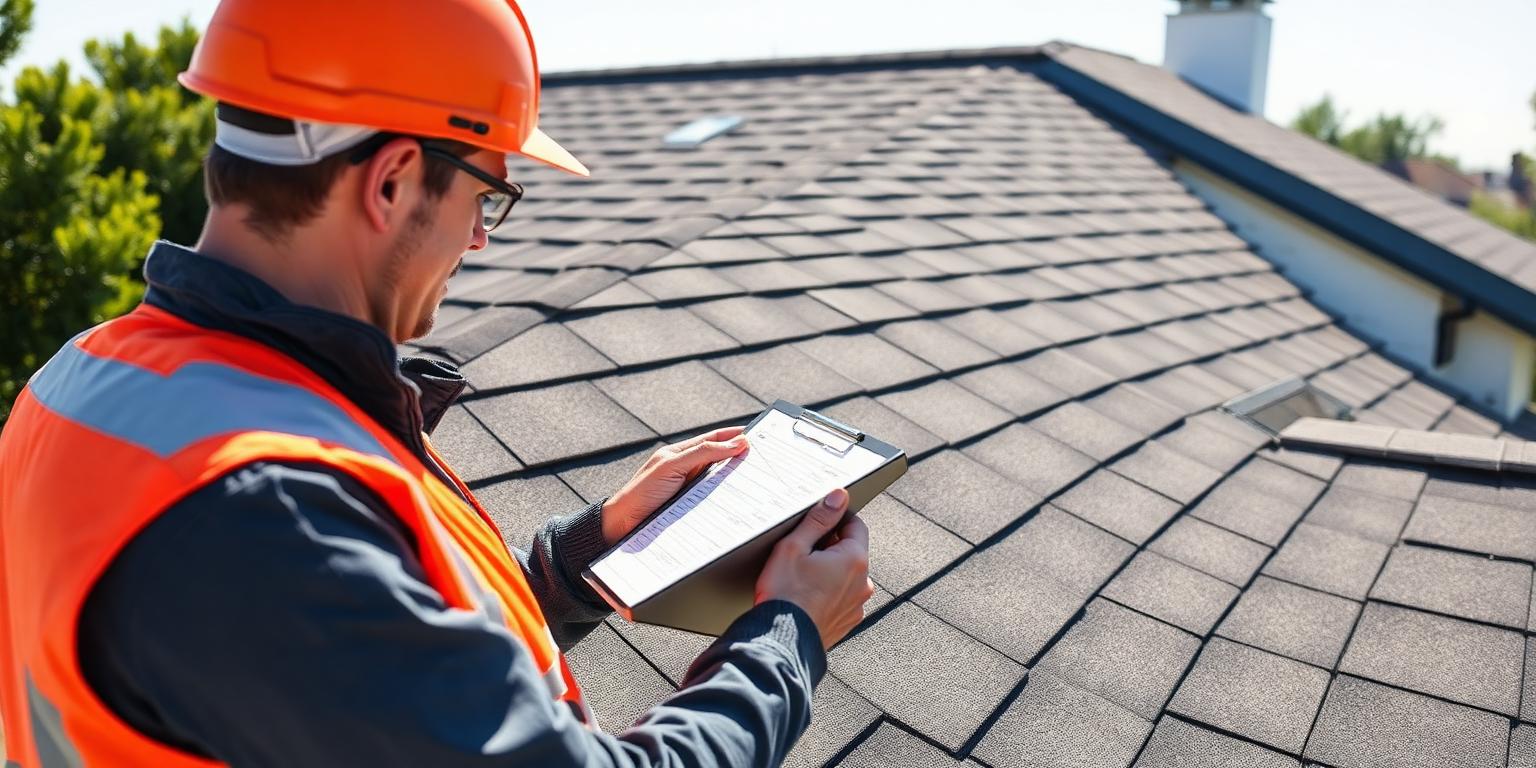
Before accepting any recommendation, ask your contractor: How many squares are damaged? What is the condition of the decking? What is the estimated remaining lifespan of the undamaged sections? Would you repair this if it were your own home?
A trustworthy contractor will give you honest answers and be willing to explain their reasoning. Be wary of anyone who immediately recommends full replacement on a 10-year-old roof with minor storm damage — that's a red flag that cost is driving the recommendation, not the roof's actual condition.
Hinsdale Roofing Pros connects you with honest, local contractors who give it to you straight. Get a roof inspection from a local DuPage County professional and make your decision with real information, not sales pressure.
Get Local Roofing Help
Get matched with trusted local roofing professionals in Hinsdale and DuPage County.