December 1, 2025 · 7 min read
The Insurance Claim Process After Storm Damage

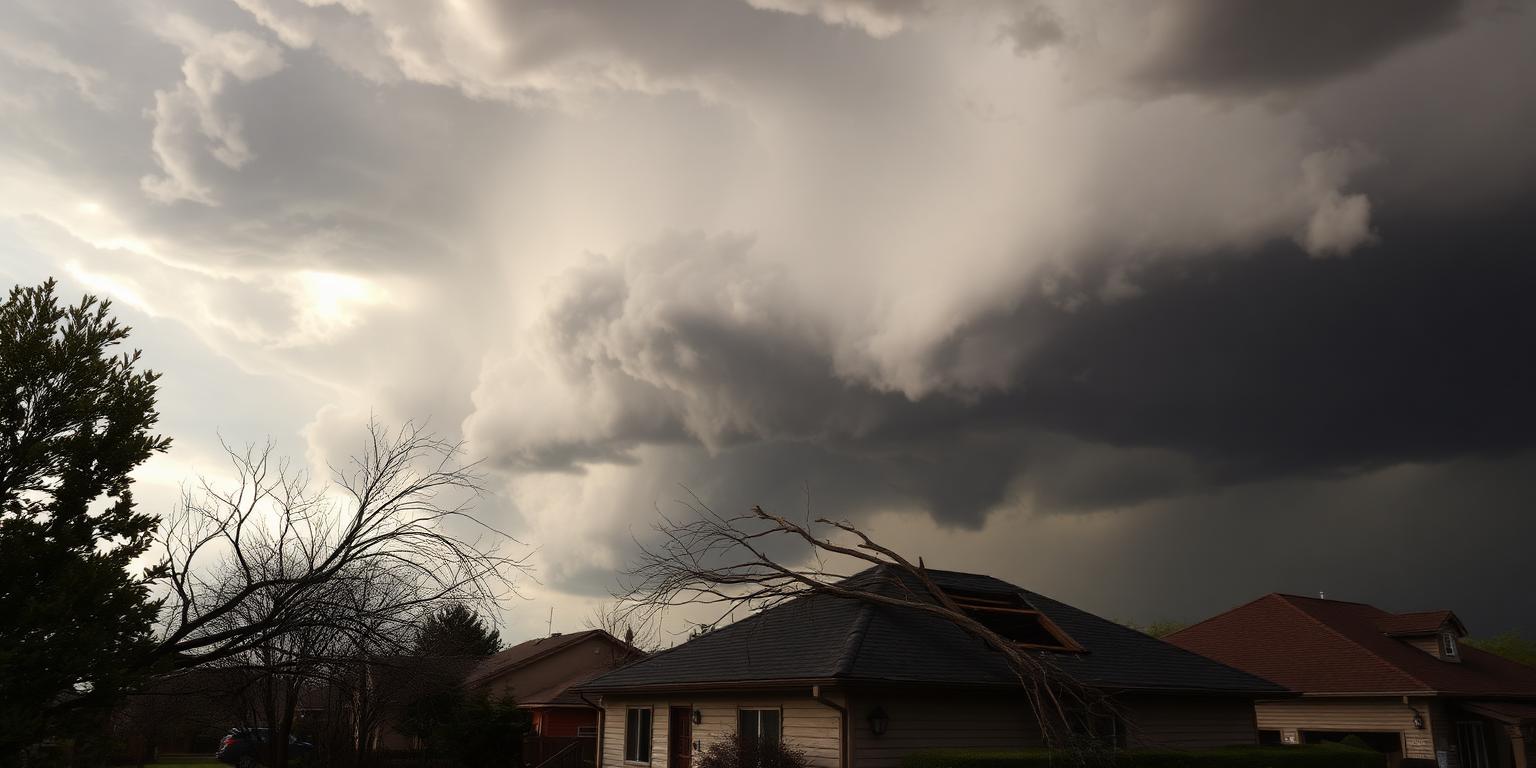
Filing an insurance claim after storm damage to your Hinsdale roof can feel overwhelming, especially if you've never done it before. The process involves multiple parties — your insurer, an adjuster, and one or more roofing contractors — and the decisions you make early on can significantly affect the size and speed of your settlement. This guide walks you through every step.
Step 1: Document the Damage Immediately
Before any temporary repairs, create a thorough visual record. Use a smartphone to capture video and still photos of every damaged area — interior water staining, attic moisture, exterior shingle damage, dented gutters, and impacted soft metals like A/C unit covers and window screens. Date-stamp everything.
Check NOAA's storm event database (storms.ncdc.noaa.gov) for official records of the storm event in DuPage County. This documentation can be invaluable if the insurer questions whether the damage is storm-related.
Step 2: Contact Your Insurer and Open a Claim
Most insurers have 24/7 claim hotlines. When you call, provide the date of the storm, a description of the damage, and confirm your policy number. The insurer will assign a claim number and schedule an adjuster visit, typically within one to two weeks for storm claims in Illinois.
Write down the claim number and the adjuster's name and contact information. All subsequent communication should reference the claim number.
Step 3: Make Temporary Repairs
Your policy requires you to take reasonable steps to prevent further damage. Temporary tarping, board-up, or emergency repairs are covered under most policies. Save every receipt and photograph the temporary repair work as well. Note: temporary repairs should not include permanent re-roofing work — wait for the adjuster's visit before anything permanent is done.
Step 4: The Adjuster Inspection
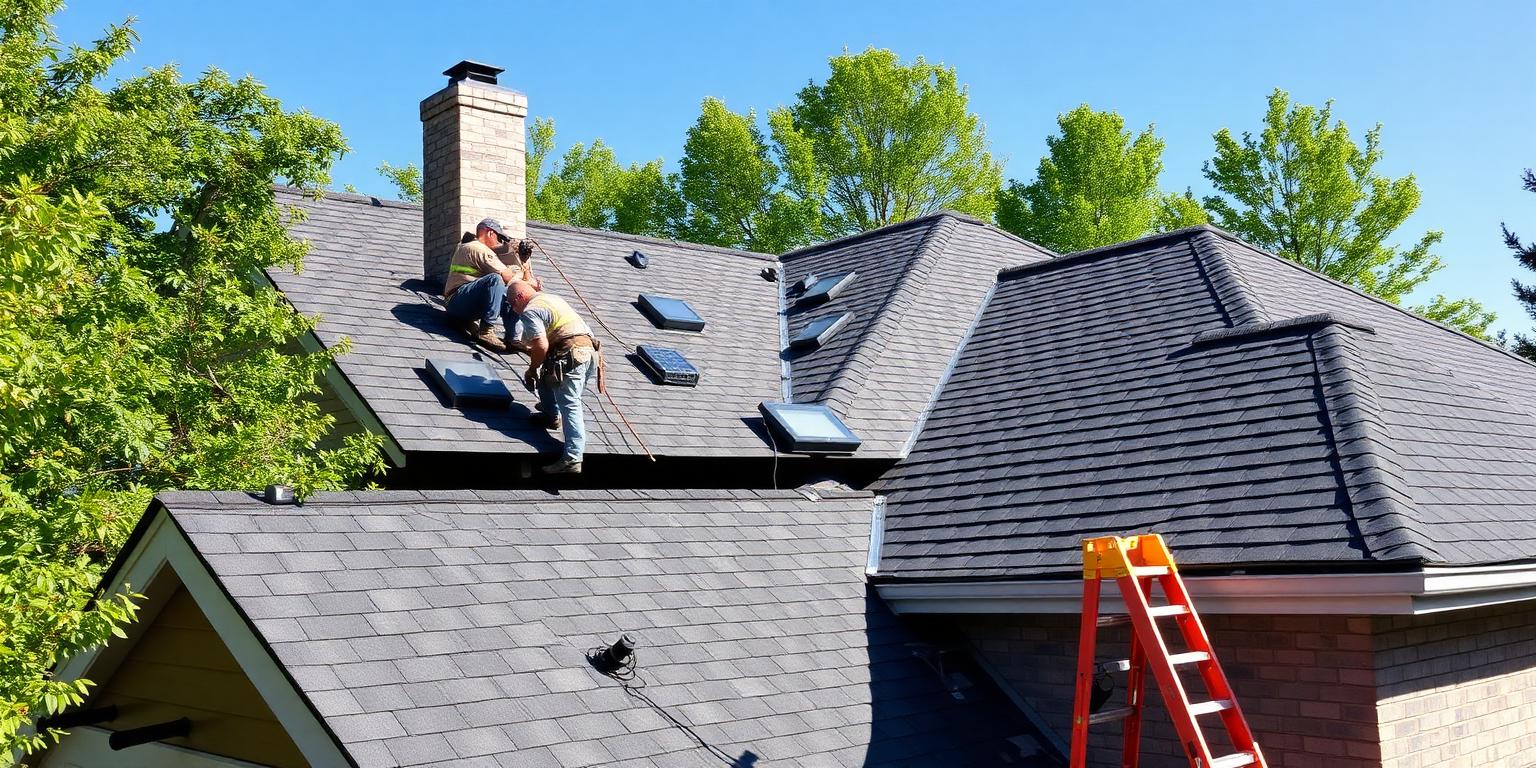
You have the right to have a roofing contractor present during the adjuster's inspection. This is one of the most important decisions you can make in the claim process. A contractor who knows roofing can point out damage the adjuster might overlook — granule loss patterns, flashing damage, interior attic moisture — and will ensure the scope of loss reflects the full extent of the damage.
Review the adjuster's written estimate carefully before you sign anything. Pay attention to the depreciation figures (especially if you have ACV coverage), the deductible application, and whether line items like drip edge, pipe boots, and flashings are included.
- Request a copy of the adjuster's scope of loss before authorizing any work
- Compare the adjuster's material prices against current market rates
- Check that all damaged components are included — gutters, skylights, vents
- Confirm whether your policy pays ACV or RCV
- Ask about the recoverable depreciation process if you have RCV coverage
Step 5: Handling Disputes
If your claim is denied or you believe the settlement is too low, you have options. Most policies include an appraisal clause that allows you and the insurer to each hire an independent appraiser, who then agree on an umpire to settle any difference. This process is less adversarial and less expensive than litigation.
You can also hire a licensed public adjuster (PA) — a professional who represents you (not the insurer) in the claims process. PAs typically charge 10–15% of the final settlement but often recover far more than their fee on larger claims.
Hinsdale Roofing Pros works with contractors experienced in the storm damage claims process throughout DuPage County. Get matched with a pro who will stand by you from inspection through final payment — at no cost to get started.
Get Local Roofing Help
Get matched with trusted local roofing professionals in Hinsdale and DuPage County.