December 15, 2025 · 6 min read
Common Causes Of Roof Leaks

When water appears on your ceiling, the temptation is to look directly above it for a hole in the shingles. But roofing is a system, and most leaks originate at the transitions and penetrations — the junctions between different materials where water has the best chance of finding a path. Understanding the actual causes of roof leaks helps you communicate clearly with your contractor, understand the repair quote, and avoid being oversold.
Flashing Failures
Flashing — the metal strips that seal joints around chimneys, skylights, pipe boots, vents, and roof-to-wall intersections — is the number one source of roof leaks. Flashing fails for several reasons: improper installation (relying on caulk instead of proper step flashing), corrosion over time, thermal expansion and contraction causing the seal to crack, and physical damage from storm debris.
In Hinsdale's climate, chimney flashing is particularly vulnerable. The freeze-thaw cycle causes the masonry to expand and contract at a different rate than the metal flashing, gradually opening gaps. A chimney that didn't leak last spring may leak this winter after a few dozen freeze-thaw cycles.
Damaged or Missing Shingles
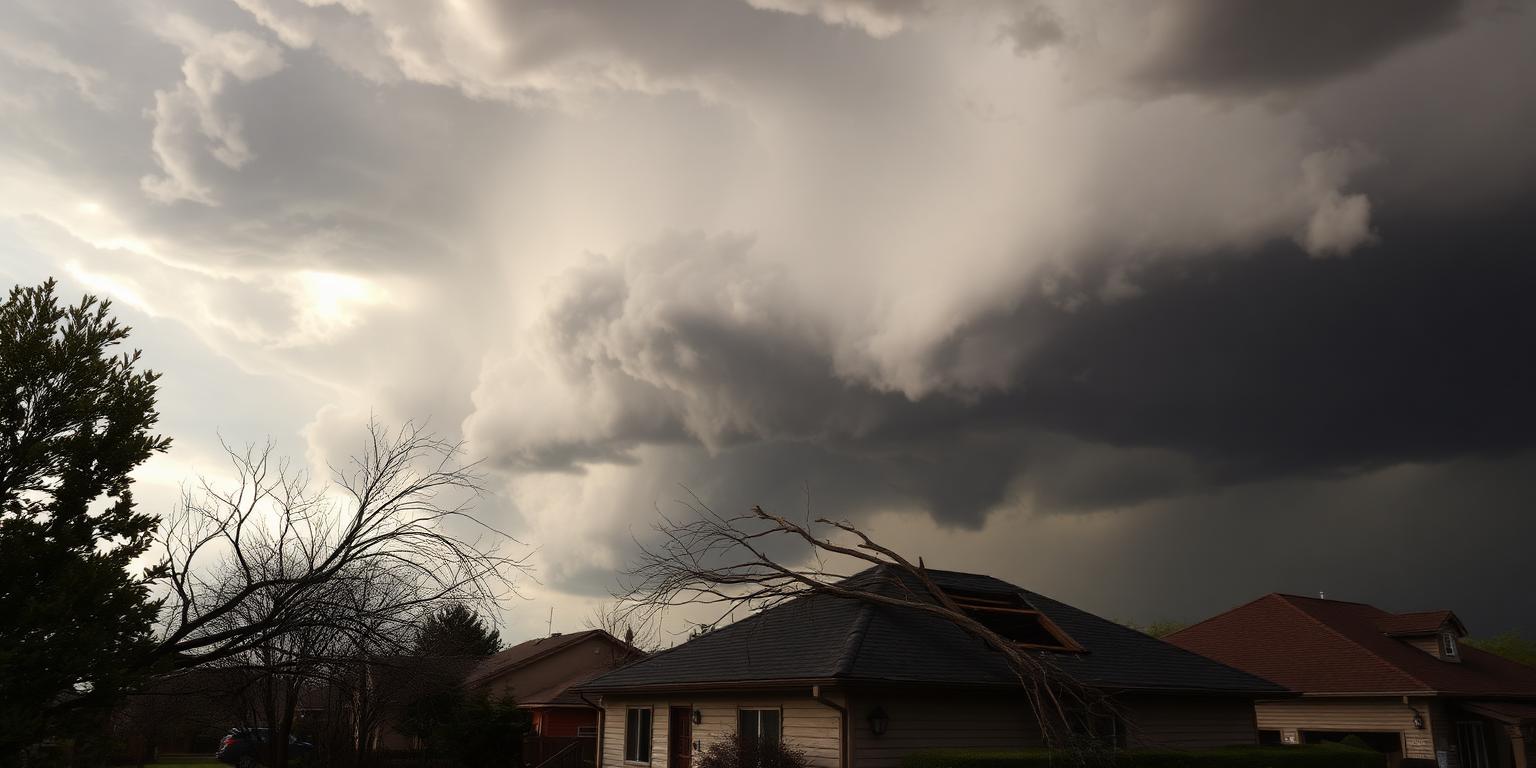
Wind events routinely exceed 60 mph in northeastern Illinois during thunderstorms and derechos. Shingles can be lifted and blown off, or the sealant strip on the underside can be broken — leaving shingles that look intact from the ground but are no longer properly sealed. Water driven by high winds can work its way under these 'open' shingles even without significant rain.
Clogged or Damaged Gutters
Gutters don't just manage rainwater — when they back up, they force water backward under the drip edge and into the fascia and soffit. In winter, ice dams in clogged gutters can push inches of standing ice water under the first several feet of shingles. Clean gutters at least twice per year in Illinois: once after the spring bloom and once after the fall leaf drop.
Skylights and Roof Penetrations
Every penetration through the roof — plumbing stacks, exhaust fans, HVAC, skylights — is a potential leak point. Pipe boot gaskets (the rubber collars around plumbing stacks) are commonly made of neoprene rubber that hardens and cracks in Illinois's cold winters. Budget pipe boots often fail within 10–15 years. Upgraded rubber or metal pipe boot covers last significantly longer.
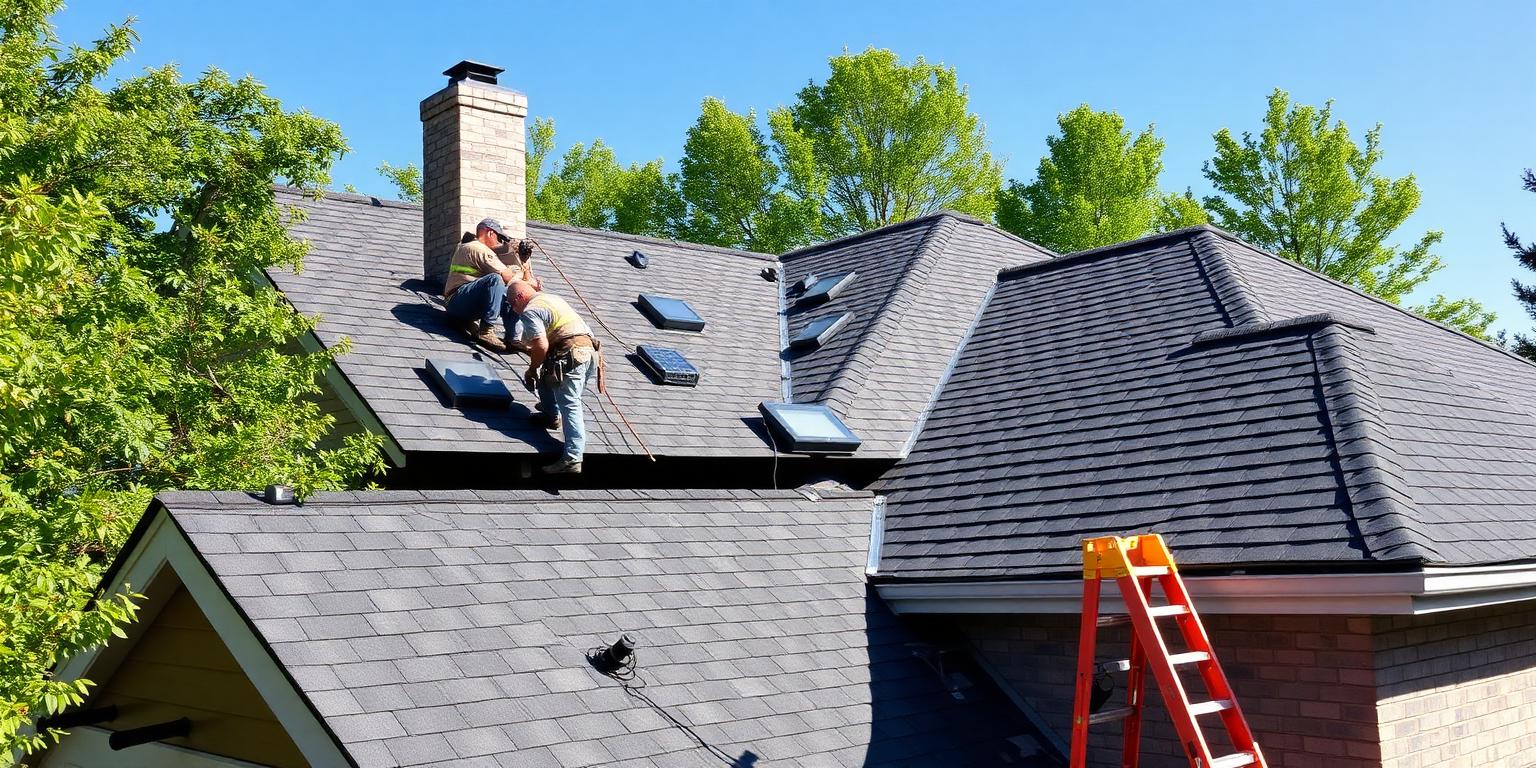
Skylights are particularly prone to leaking at the frame-to-curb junction when the surrounding flashing loses its seal. DIY skylight installations are a frequent source of chronic leaks that are difficult to trace without an experienced eye.
- Pipe boots (plumbing stack gaskets) — neoprene degrades and cracks
- Skylight frame and curb flashing
- Exhaust fan and HVAC penetrations
- Valleys — the angles where two roof planes meet
- Ridge cap shingles — high-wind area with heavy exposure
- Chimney counter-flashing and step flashing
Ice Dams
Ice dams are a specific Illinois problem. When attic heat escapes unevenly through the roof, it melts snow near the peak. That water runs down to the cold eave, refreezes, and builds up a ridge of ice. The backed-up water has nowhere to go but under the shingles. The result is water entering the attic and often the walls and ceiling well inside the building envelope.
Whether you're tracing an active leak or scheduling a preventive inspection, Hinsdale Roofing Pros connects you with qualified local contractors who diagnose and repair roof leaks correctly the first time. Get a estimate from a local DuPage County pro today.
Get Local Roofing Help
Get matched with trusted local roofing professionals in Hinsdale and DuPage County.