April 10, 2026 · 7 min read
Will Insurance Cover Storm Damage?

After a major storm rolls through Hinsdale, one of the first questions homeowners ask is whether their insurance will pay for roof repairs or replacement. The short answer is: it depends. Most standard HO-3 homeowner's policies cover sudden, accidental damage from wind, hail, and falling objects — but there's a lot of nuance in how those policies are applied, especially as roofs age.
Understanding the basics before you file can dramatically increase the chance your claim is approved and that you receive fair compensation.
What Most Policies Cover
A standard homeowner's policy covers 'peril-based' roof damage — meaning damage caused by a specific event like a hailstorm, straight-line wind, tornado, or a tree falling on the roof. If your roof was in adequate condition before the storm and the damage is clearly traceable to the event, coverage typically kicks in.
The payout, however, depends on whether you have Replacement Cost Value (RCV) or Actual Cash Value (ACV) coverage. RCV pays to replace your roof with new materials at today's prices. ACV deducts depreciation — so a 15-year-old roof might only yield 40% of replacement cost.
- Wind damage (Illinois deductibles are usually 1–2% of dwelling value)
- Hail impact (Class 4 impact-resistant shingles may reduce your deductible)
- Falling trees or limbs
- Lightning strikes and resulting fire
- Weight of ice and snow (sudden collapse)
What Is Typically NOT Covered
Insurers routinely deny claims for damage attributed to age, wear and tear, or lack of maintenance. If your adjuster determines that the existing granule loss, curling, or cracking was pre-existing, they may deny the hail claim or significantly reduce the payout.
Flooding is almost never covered under standard homeowner's policies — that requires separate National Flood Insurance Program (NFIP) coverage. Leaks caused by improper installation or missing flashing that was never repaired are also common denial grounds.
The Claims Process Step by Step
First, document the damage with photos and video before any tarping or temporary repairs. Then call your insurer to open the claim — they'll assign an adjuster and schedule a visit, usually within one to two weeks for storm claims.
You have the right to have your own contractor present during the adjuster's inspection. This is important: adjusters work for the insurance company, and having a contractor who knows what to look for can ensure damage isn't overlooked. If the initial offer seems low, you can request a re-inspection or invoke the policy's appraisal clause.
- Step 1: Document damage thoroughly with photos and video
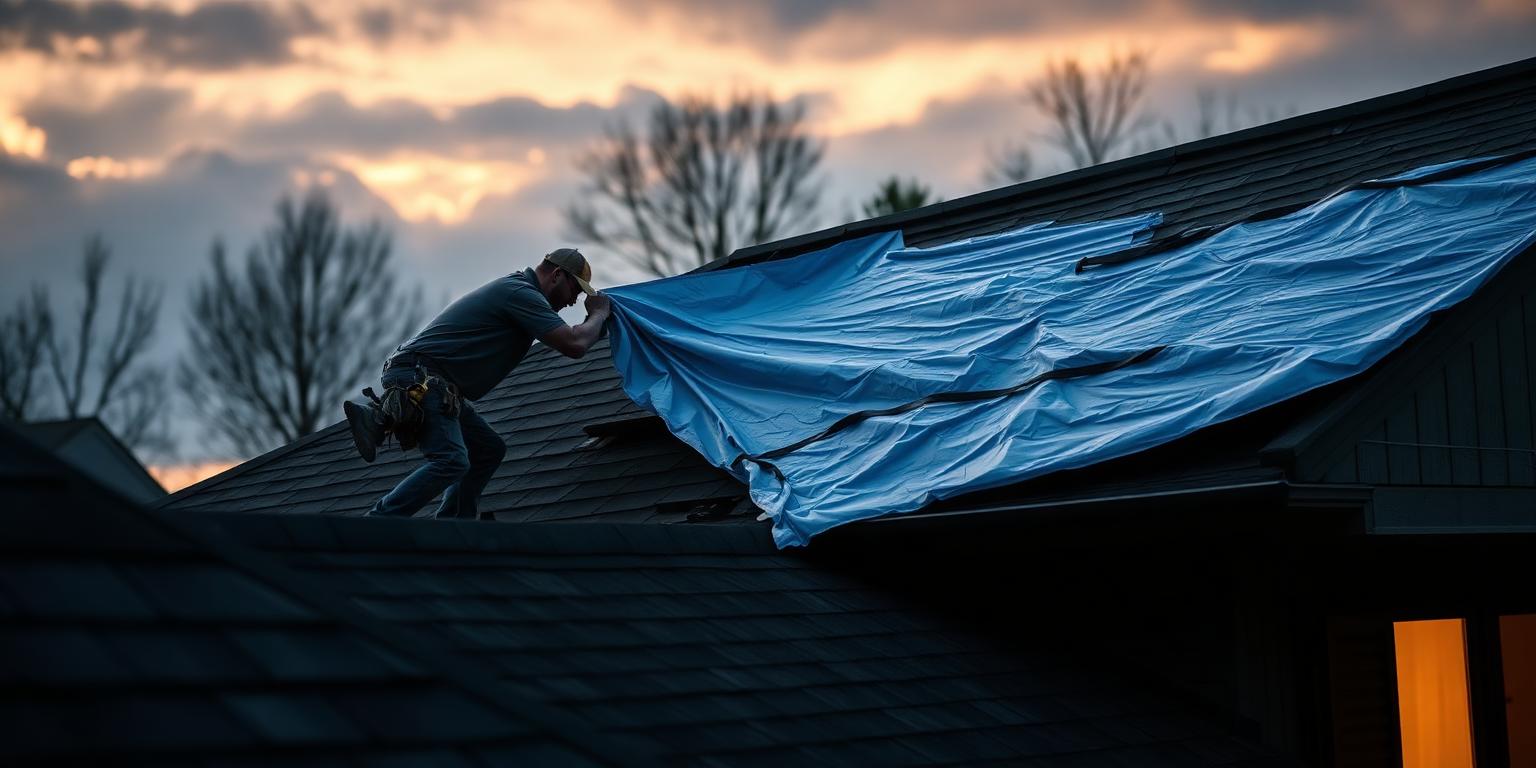
- Step 2: Make temporary repairs to prevent further damage (save receipts)
- Step 3: File your claim promptly — don't wait
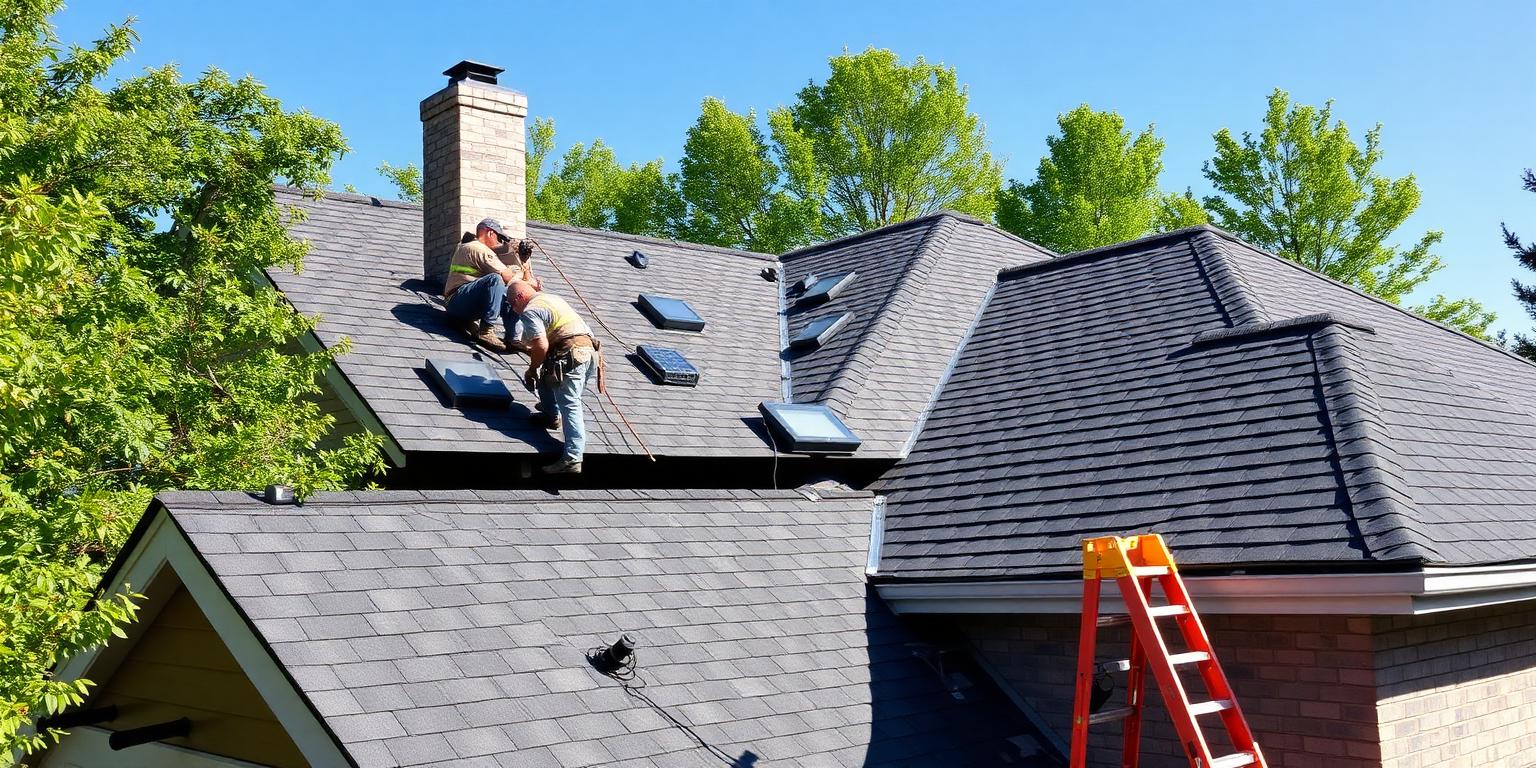
- Step 4: Get a contractor inspection before or during the adjuster visit
- Step 5: Review the adjuster's scope of loss carefully before signing off
- Step 6: If underpaid, request a re-inspection or hire a public adjuster
Frequently Asked Questions
How long do I have to file a storm damage claim in Illinois? Most policies require you to report damage within one year of the storm event. Some newer policies are stricter. Always check your policy's 'suit limitations' clause.
Can my insurer drop me if I file a claim? Illinois law limits non-renewal based on weather-related claims, but repeated claims can affect your rates. Discuss this with your agent before filing for minor damage.
Do I need a public adjuster? Not always, but if your claim is large or your insurer has significantly undervalued the damage, a licensed public adjuster (who works for you, not the insurer) can be worth the 10–15% fee.
Navigating an insurance claim is stressful. Hinsdale Roofing Pros connects you with local contractors experienced in working alongside insurance adjusters throughout DuPage County. Get a roof inspection today and go into your claim with an expert in your corner.
Get Local Roofing Help
Get matched with trusted local roofing professionals in Hinsdale and DuPage County.